
Every hull leaves a paper trail.
We follow it from the builder’s yard to the breakers and tell each ship’s story as the records show it.
Recently added
-
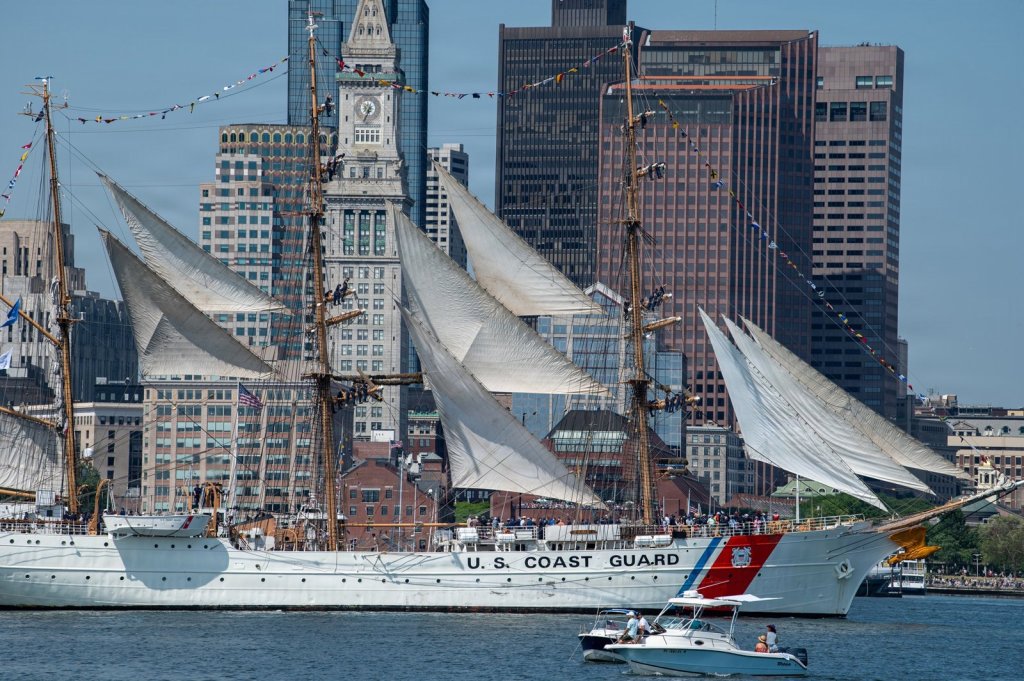
USCGC Eagle: How a Working Barque Trains Modern Coast Guard Officers
How Eagle’s rig, watchkeeping and cadet responsibilities support officer training, with a dated account of her role in the 2026 Sail250 events.
-
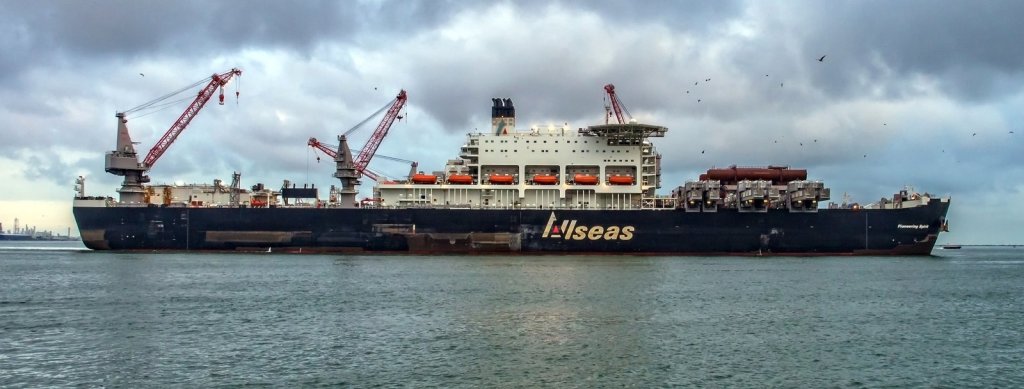
Pioneering Spirit: The Engineering Sequence Behind a Single Lift
How Pioneering Spirit prepares, lifts and transports offshore structures, and why topsides, jackets and pipelines need different systems.
-
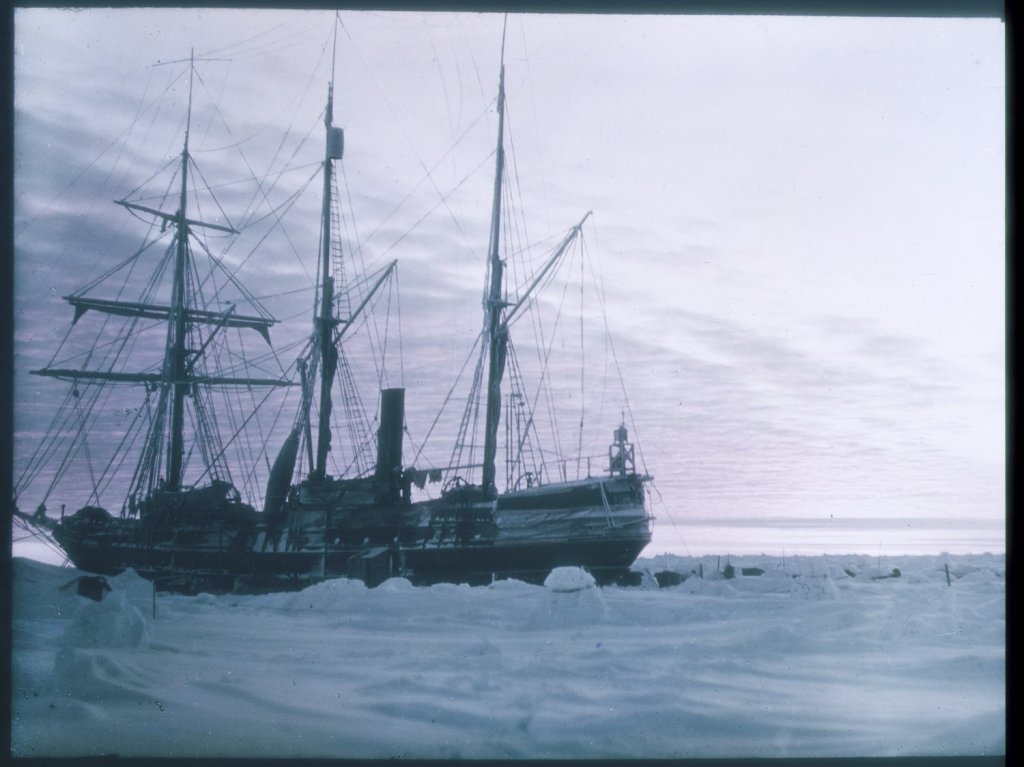
Endurance on the Seabed: What the Survey Reveals and What It Cannot
How Endurance’s underwater survey became a digital record, what surviving detail reveals, and why protection depends on more than striking images.
-
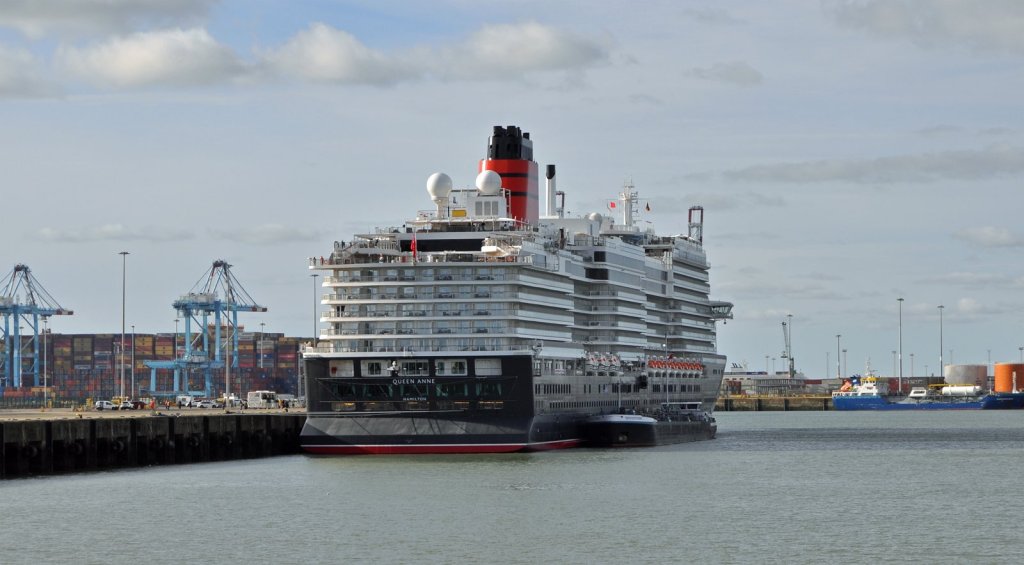
Queen Anne: The Engineering Behind a Modern Cunard Cruise Ship
Explore Queen Anne’s diesel-electric machinery, accommodation and operating choices, and the difference between shore-power capability and use.
-
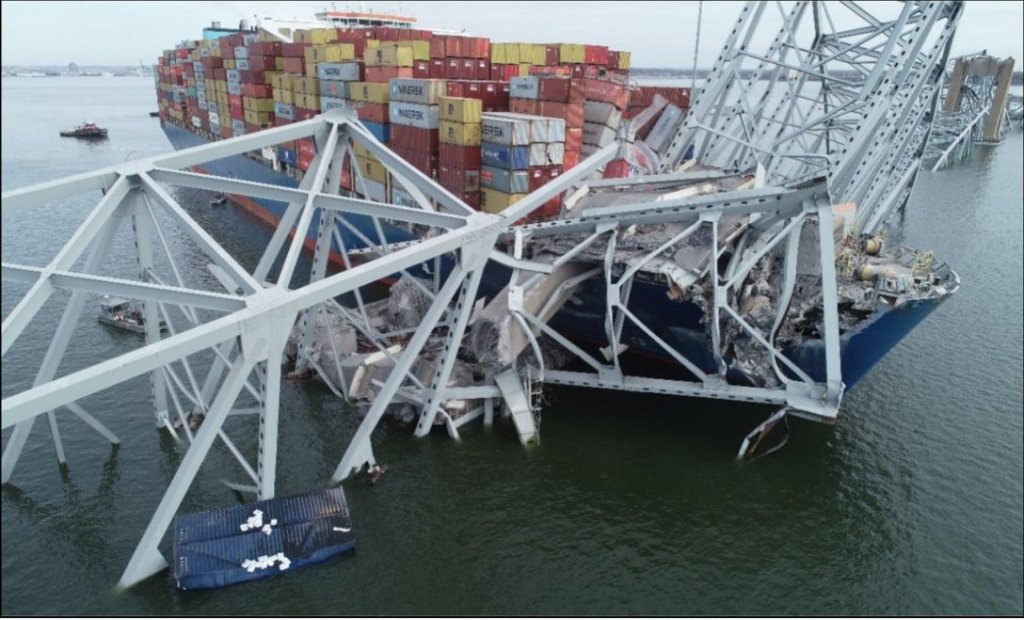
Dali and the Key Bridge: How Two Blackouts Defeated the Recovery Window
How Dali’s electrical faults disabled propulsion and steering, why recovery time mattered, and where ship and shore protections failed.
-
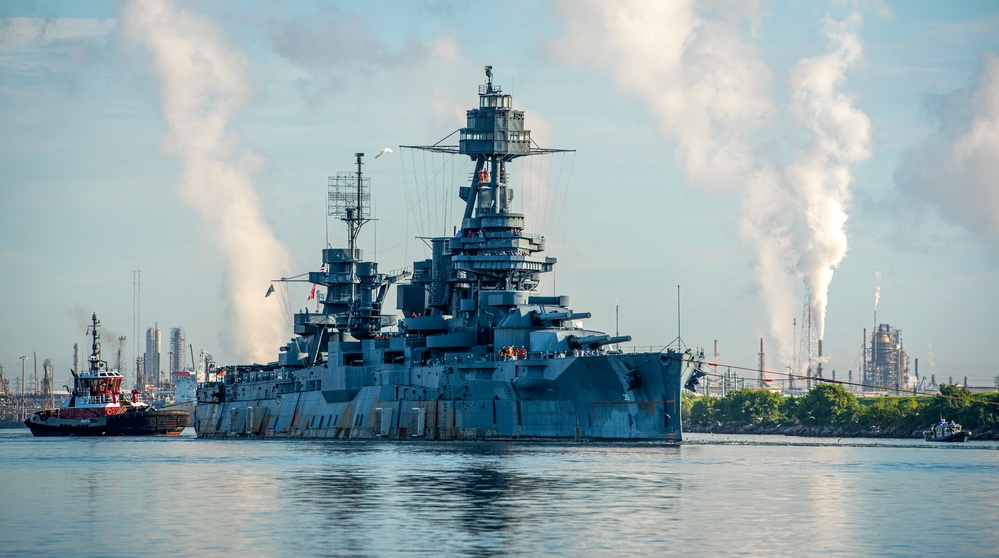
Battleship Texas: The Work Beyond Drydock
Texas remains at Gulf Copper as deck, interior and berth work continue towards a targeted 2027 reopening at Galveston’s Pier 15.
Browse by ship type
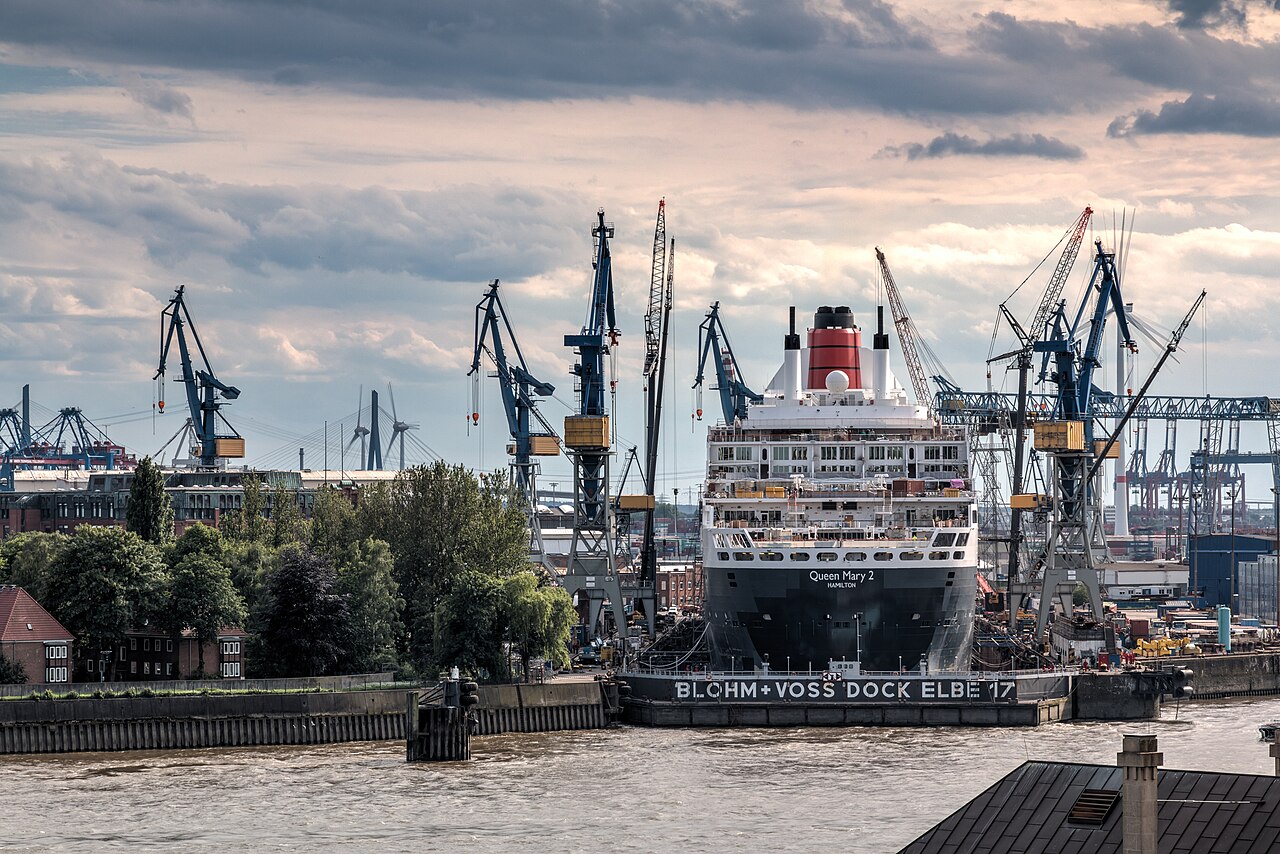
Ocean Liners
Express liners and emigrant ships built for scheduled ocean crossings.
Queen Mary 2, Hamburg, 2016. Photo: Dietmar Rabich, Wikimedia Commons, CC BY-SA 4.0
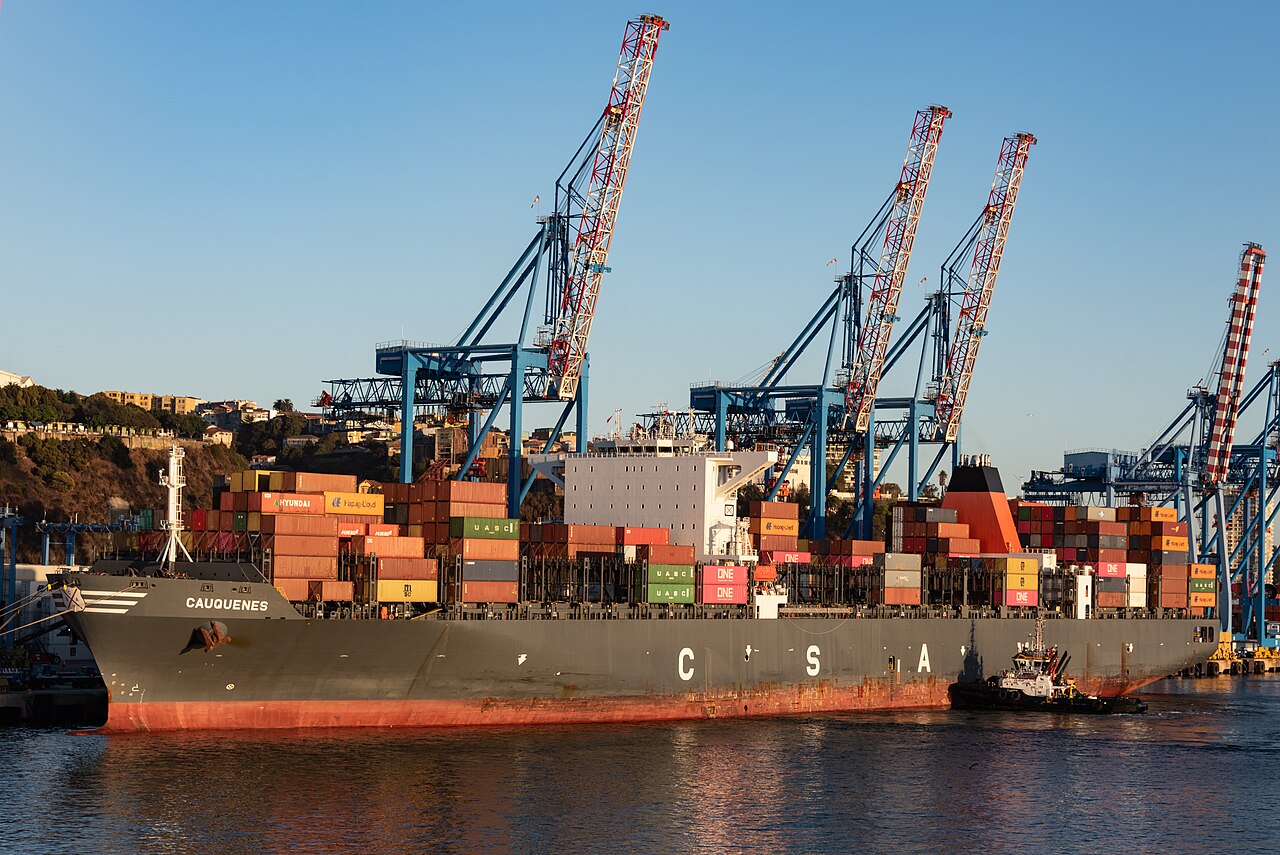
Cargo Ships
General cargo ships, bulk carriers, container ships and tankers.
Cauquenes, Valparaíso, 2019. Photo: Gordon Leggett, Wikimedia Commons, CC BY-SA 4.0
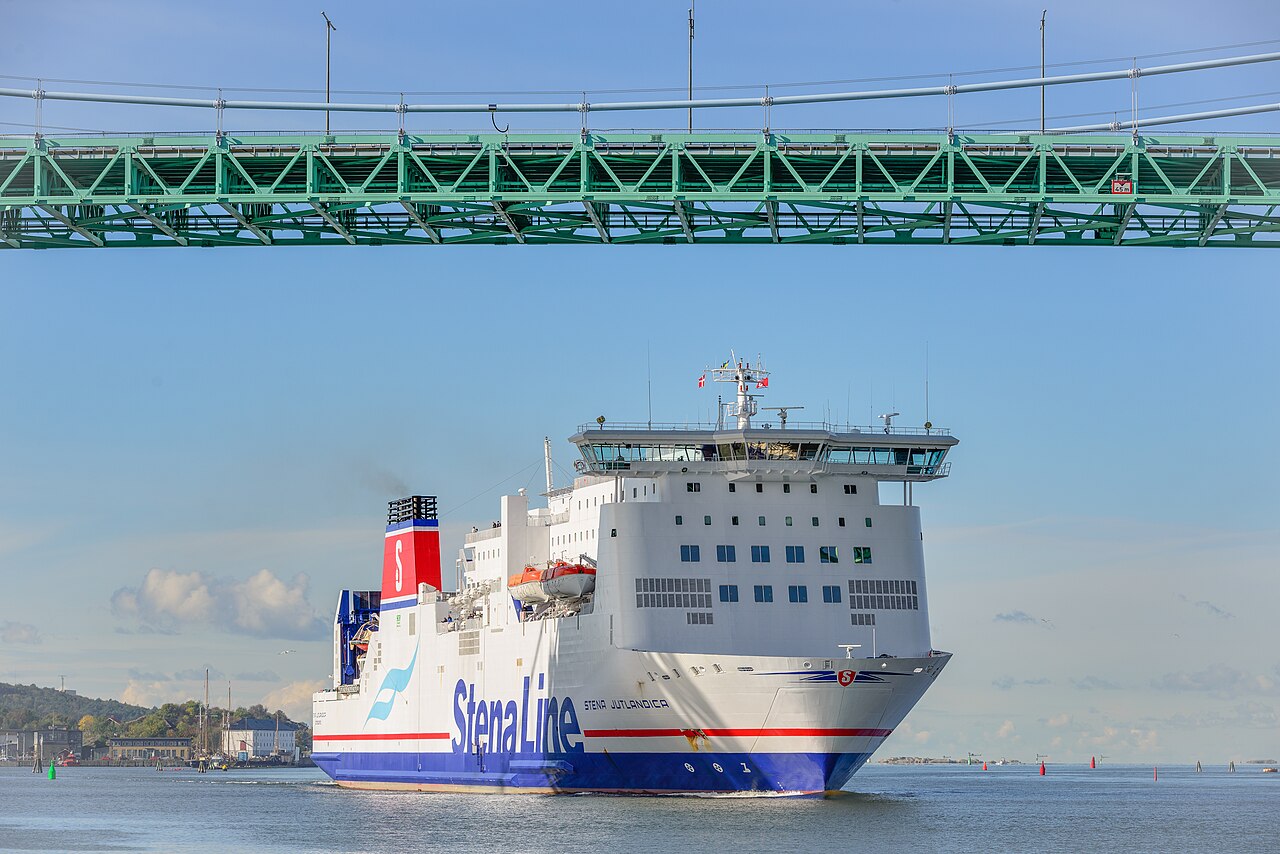
Cruise Ships and Ferries
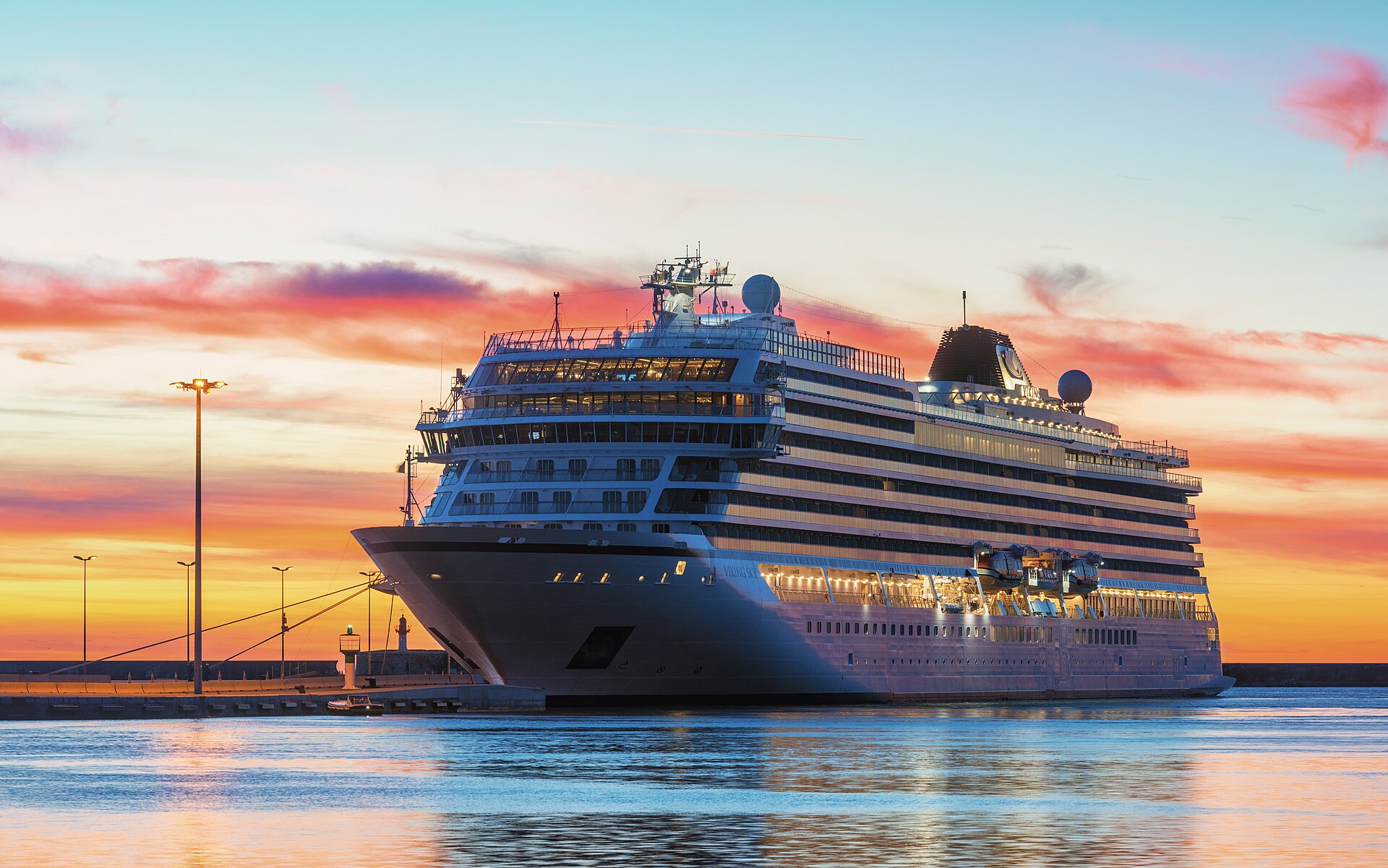
Cruise ships, ferries and other passenger vessels, followed through their owners and routes.
Stena Jutlandica, Gothenburg, 2013. Photo: Arild Vågen, Wikimedia Commons, CC BY-SA 3.0
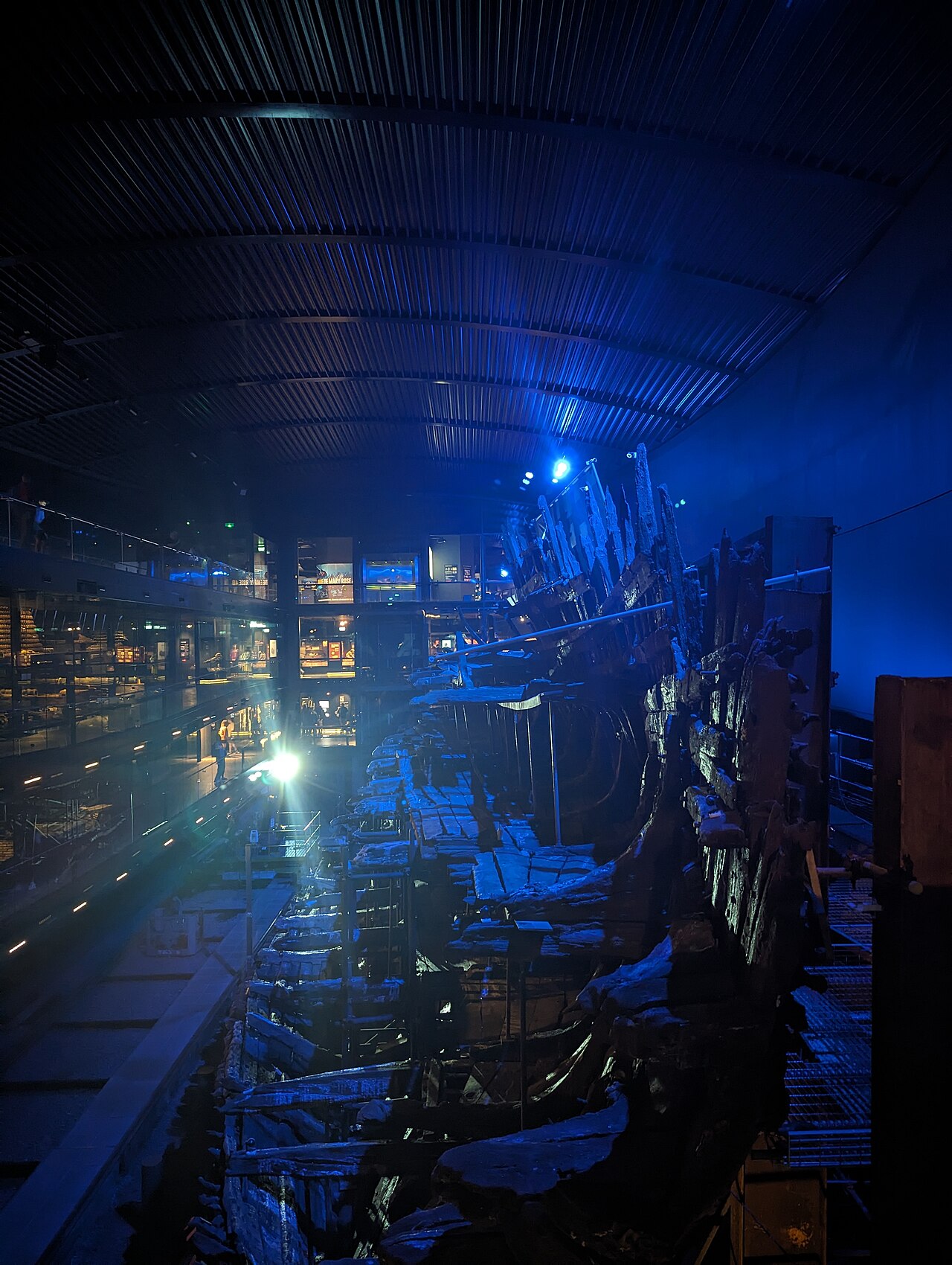
Museum Ships
Preserved ships and recovered historic hulls, with their stories on public display.
Mary Rose hull, Portsmouth. Photo: Bob Harvey, Wikimedia Commons, CC BY-SA 2.0
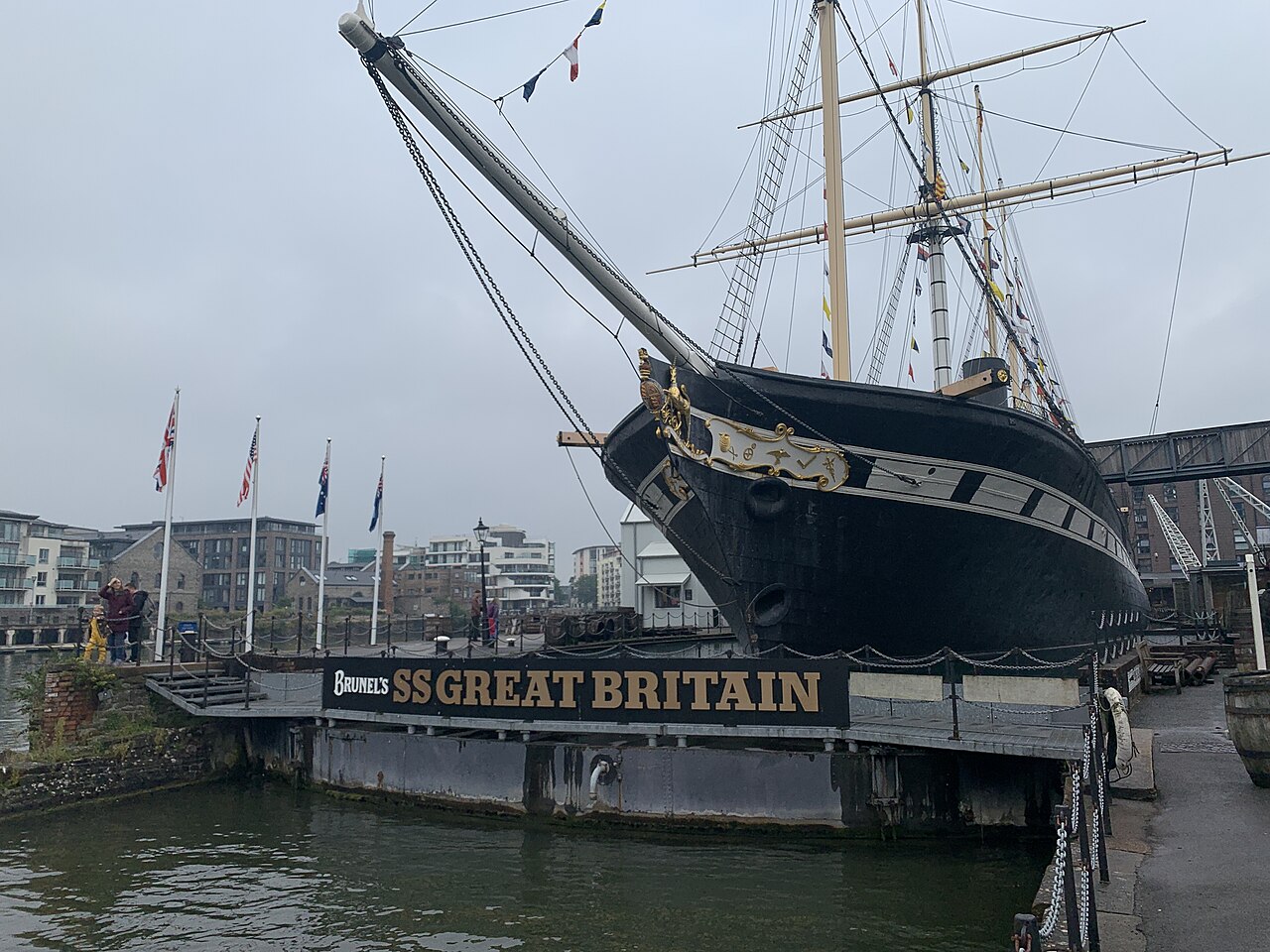
Historic Vessels
Early sailing ships, pioneering steamships and heritage vessels, including paddle steamers.
SS Great Britain in her dry dock at Bristol. Photo: Nortix08, Wikimedia Commons, CC BY-SA 4.0
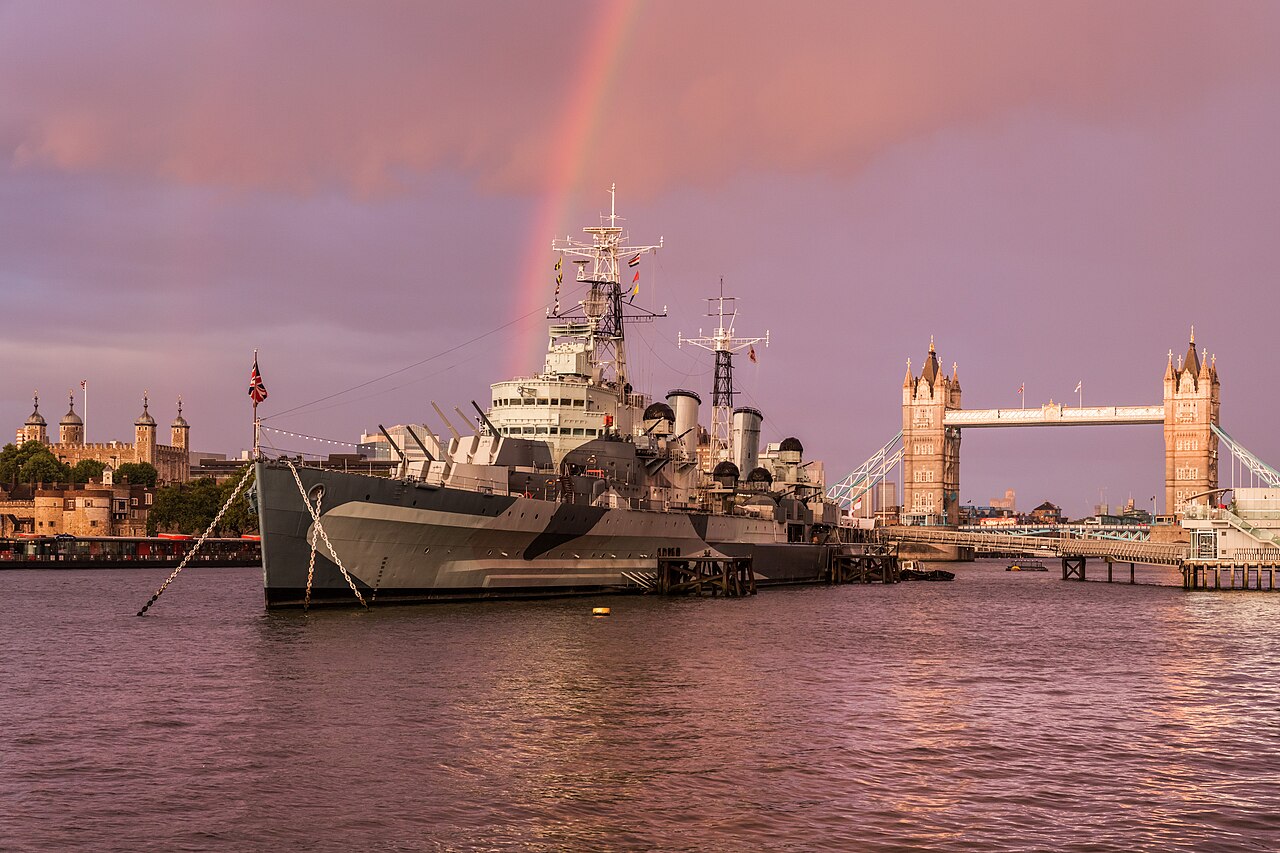
Warships
Battleships, cruisers and carriers, with armament and refits tied to a date.
HMS Belfast, London, 2014. Photo: Dmitry A. Mottl, Wikimedia Commons, CC BY-SA 3.0
Tall Ships
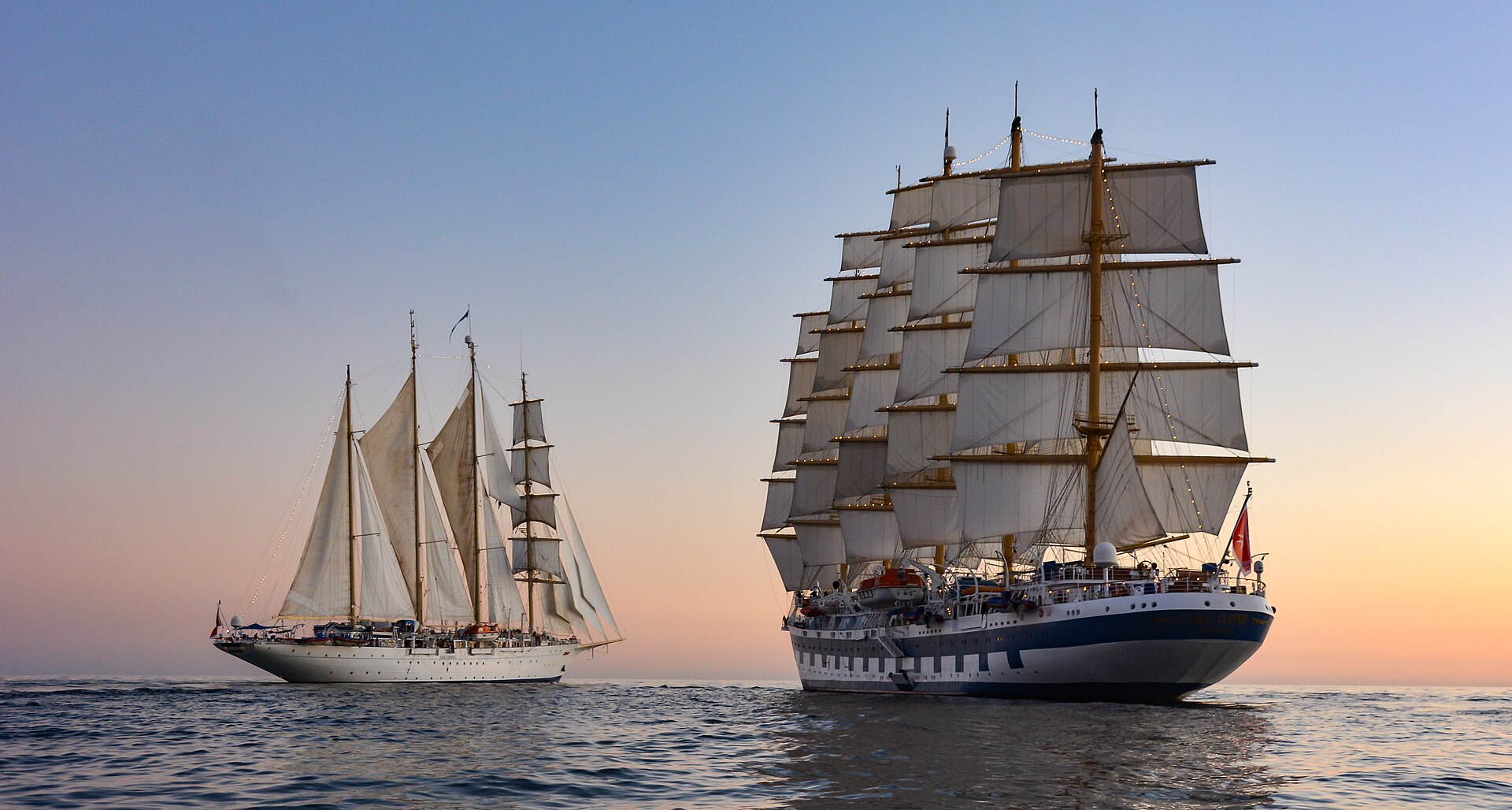
Sailing ships and significant sail-assisted designs, from historic warships to clippers.
Star Clipper and Royal Clipper off Motril, Spain, 2013. Photo: Gordon Leggett, Wikimedia Commons, CC BY 4.0
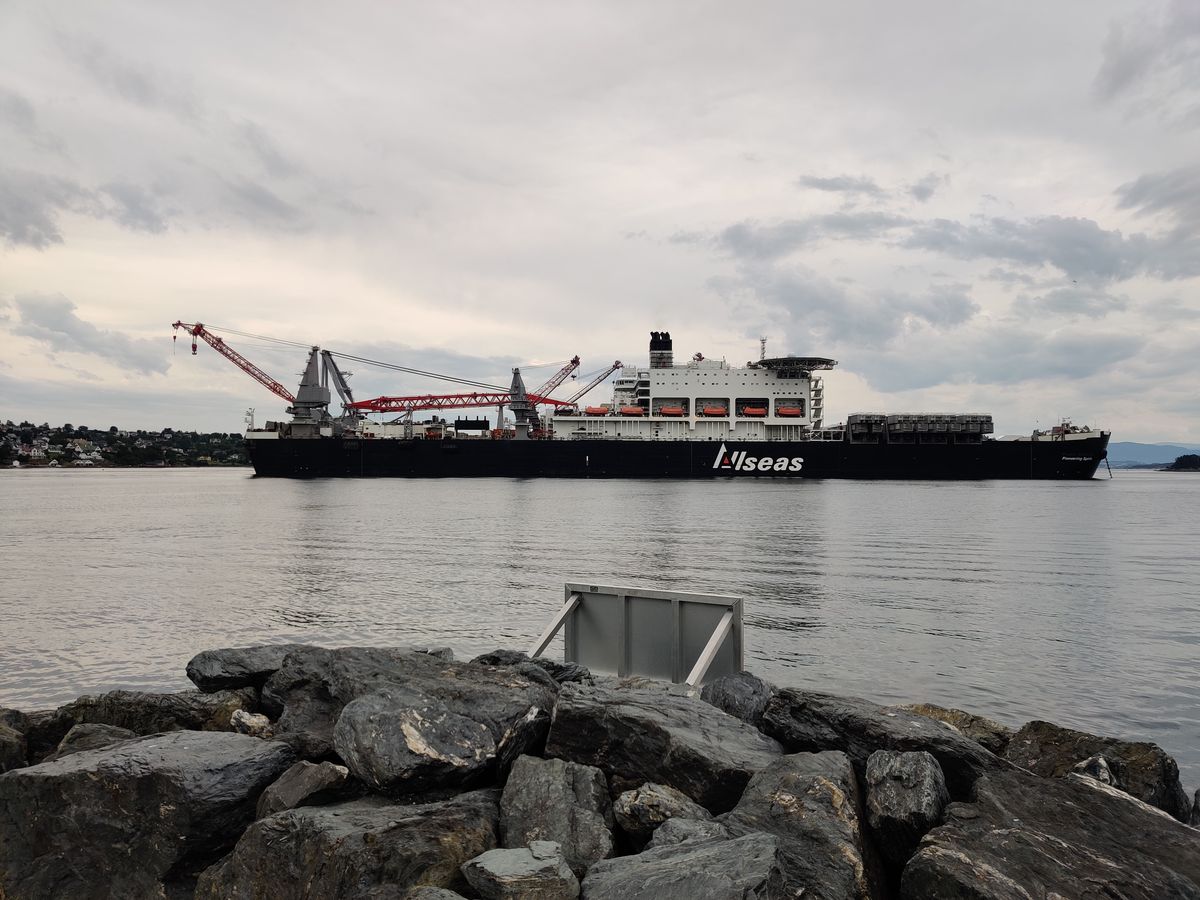
Other Ship Types
Offshore and construction vessels, cable ships and other specialist working roles.
Pioneering Spirit, Stord harbour, Norway, 2021. Photo: SultanOfAwesome, Wikimedia Commons, CC BY-SA 4.0. Resized and cropped for this tile.
Ship of the Week
SS Great Britain
An iron hull and screw propulsion made Great Britain a major departure from the large wooden paddle steamers of her day. Built for Atlantic passenger service, she later carried emigrants to Australia and ended her working life as a storage hulk in the Falkland Islands.
In 1970 she was brought home to Bristol, to the dock where she had been built.
From behind the lens
Contribute Your Ship Photos
Photographed a ship? Share your original work for the archive. Selected photographs appear with your chosen credit and an optional link to your portfolio.
Loss, recovery and the end of service
What went wrong, what survives on the seabed and how ships meet the breakers.
Shipwrecks
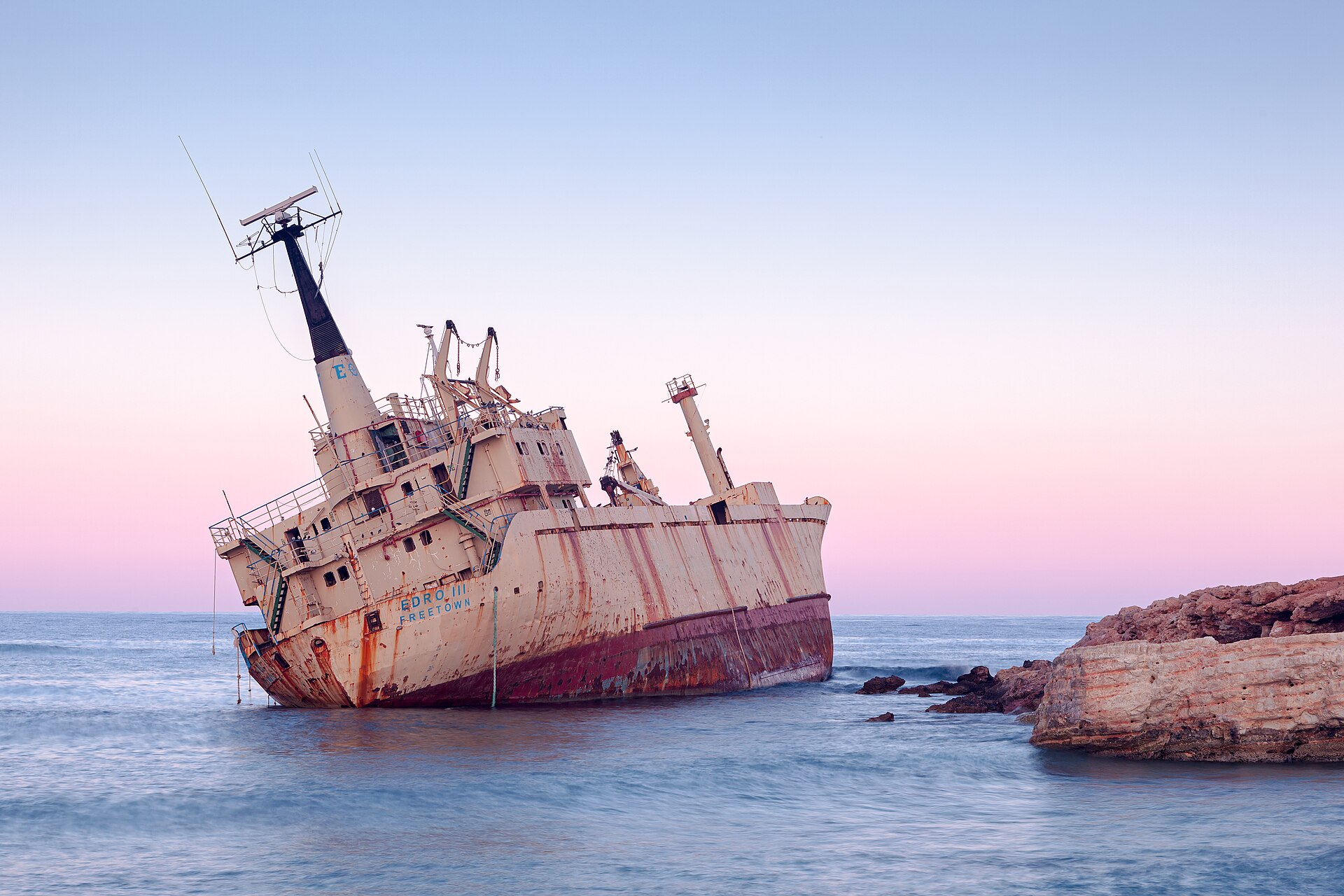
Wreck surveys, recoveries and the archaeology that shows what survived.
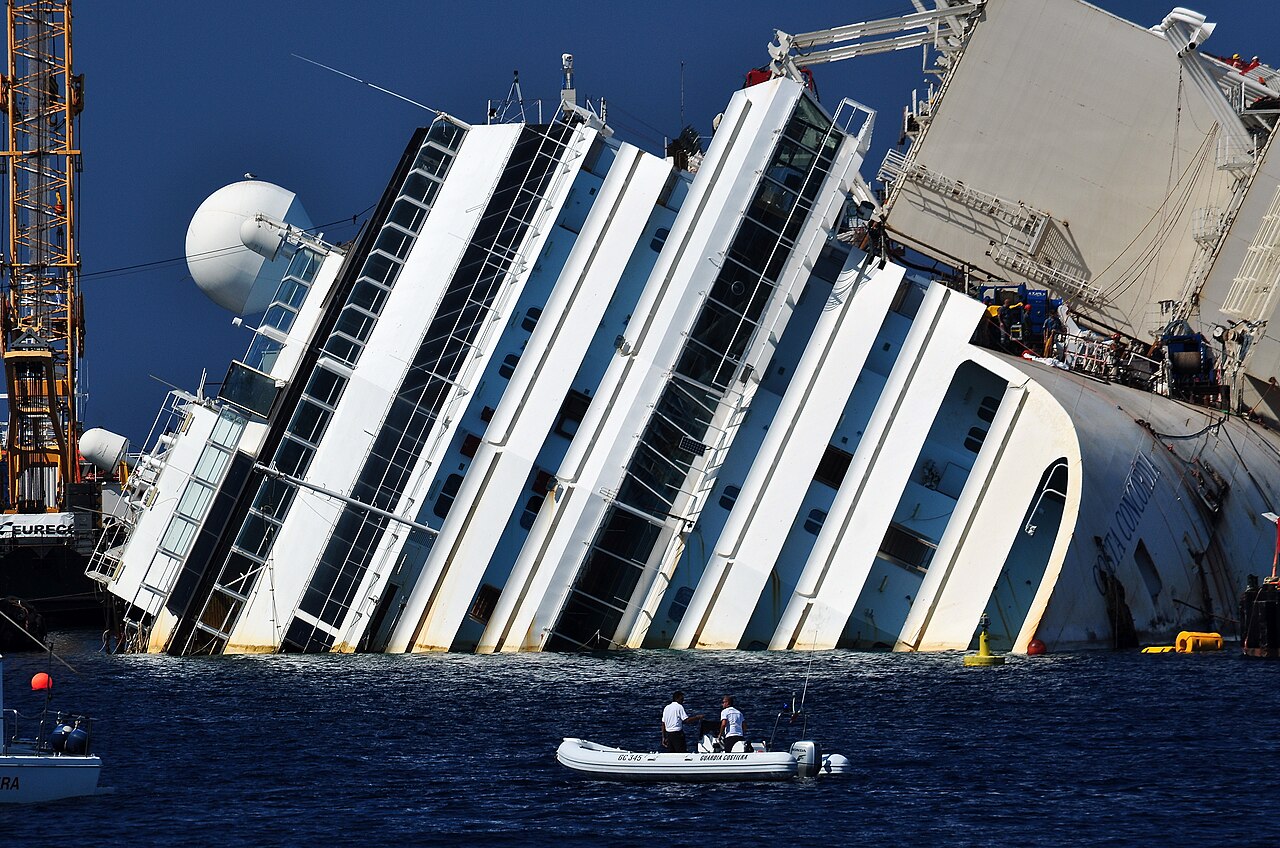
Ship Accidents
Groundings, collisions and fires: what happened, the response and what the investigations found.
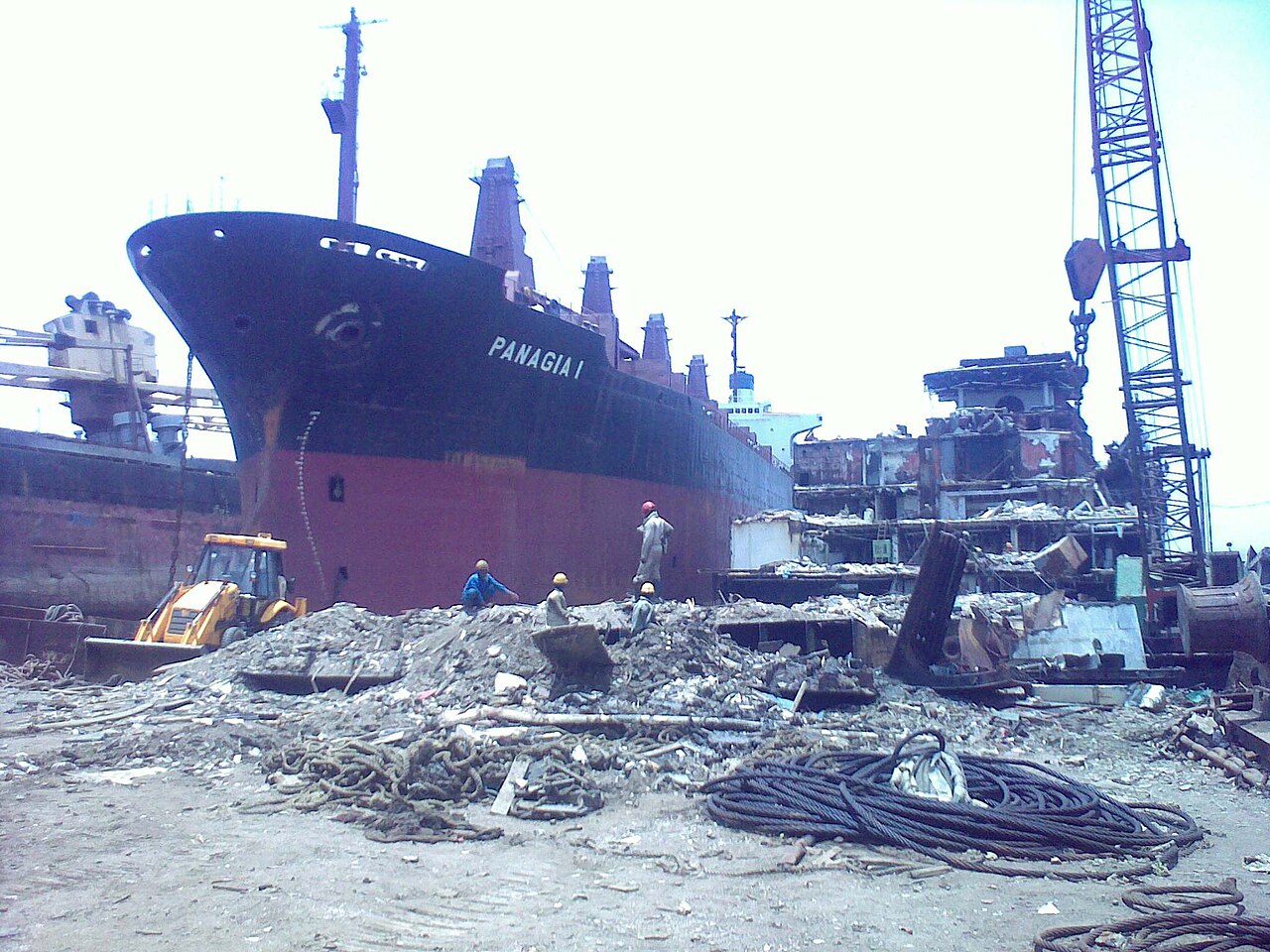
Ship Breaking
Retirement, sale, the last voyage and the breakers, traced through dated photographs and records.
A date in maritime history
11 October 1982: the Mary Rose returns to the surface
After years of excavation in the Solent, the surviving hull of Henry VIII’s warship was lifted from the seabed in a steel frame and lowered into a purpose built cradle by the crane barge Tog Mor. The lift began a conservation programme that continued for more than three decades.
How the archive is researched
Specifications are tied to a date or configuration. Photographs carry individual credits. Where sources disagree, we say so.


.jpg)
.jpg)


_-_S%C3%A8te_-_December_2018.jpg)
_STAR_CLIPPER_-_IMO_8915445,_ROYAL_CLIPPER_-_IMO_8712178_-_Motril,_Spain.jpg)


_-_Isola_del_Giglio_-_Tuscan_Archipelago,_Italy_-_18_Aug._2013.jpg)
