
Ocean Liners
Ocean liners were built around routes, schedules and the demands of long sea passages. This section follows their design, passenger accommodation, machinery and working lives, from early steamships to the final generations of transatlantic liners.
-
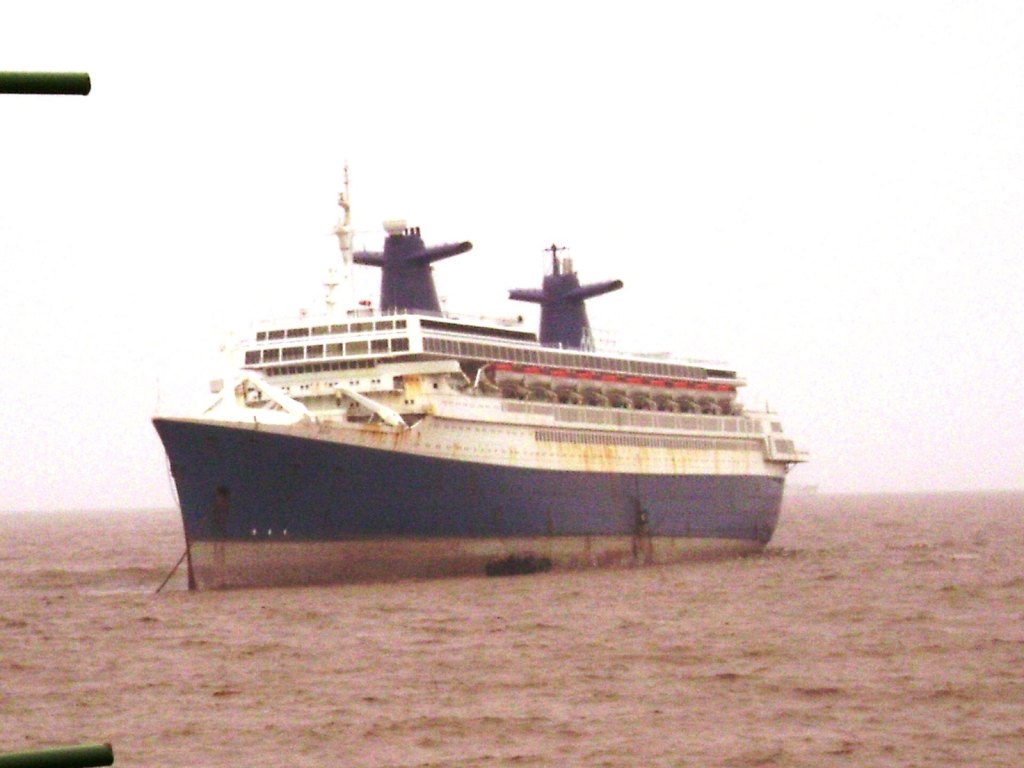
From SS France to SS Norway and the Beach at Alang
The French Line’s France became the cruise ship Norway, was withdrawn after a fatal boiler explosion in 2003, and was broken up at Alang.
-
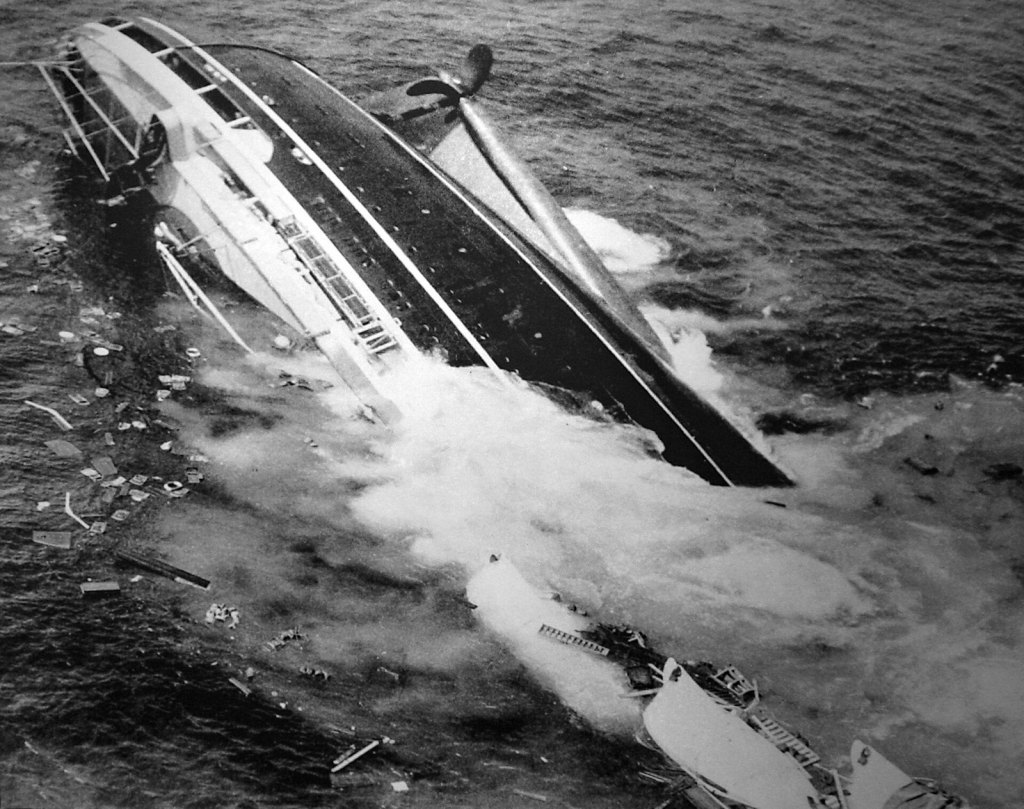
The Andrea Doria and Stockholm Collision off Nantucket
Andrea Doria’s 1956 collision with Stockholm, the rescue of 1,660 people, and later surveys and recoveries from the wreck off Nantucket.
-
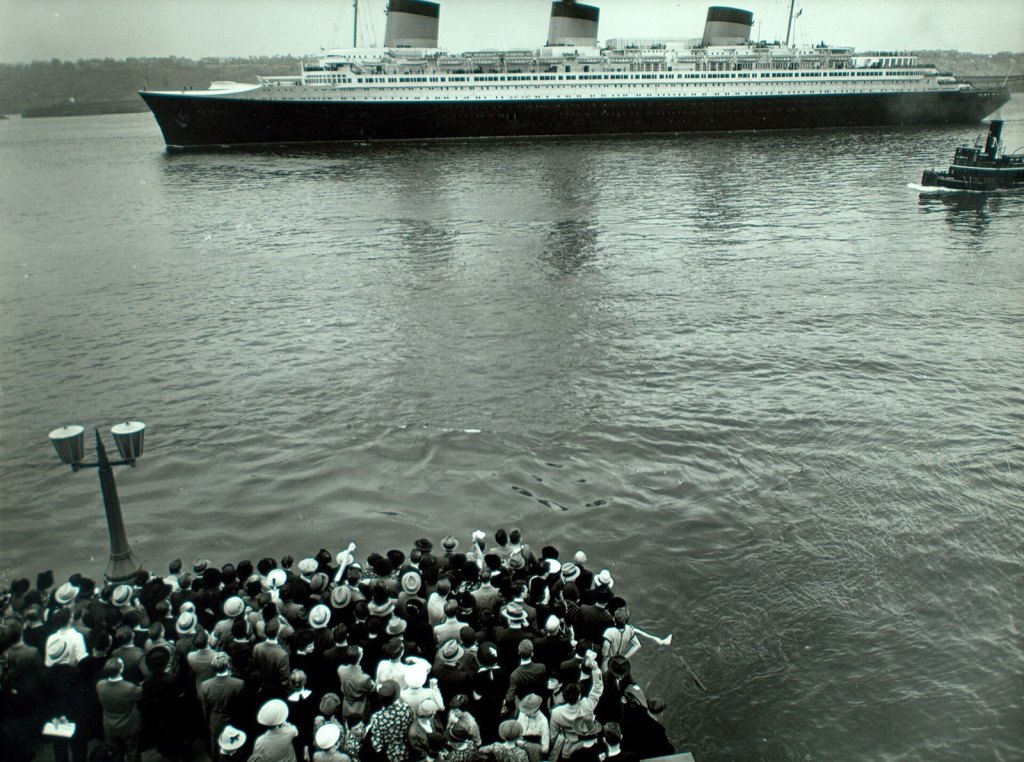
Normandie, the French Line’s Record Liner Lost at Pier 88
How the French Line’s Normandie was designed, why she stayed in New York in 1939, and how a conversion fire at Pier 88 ended…
-
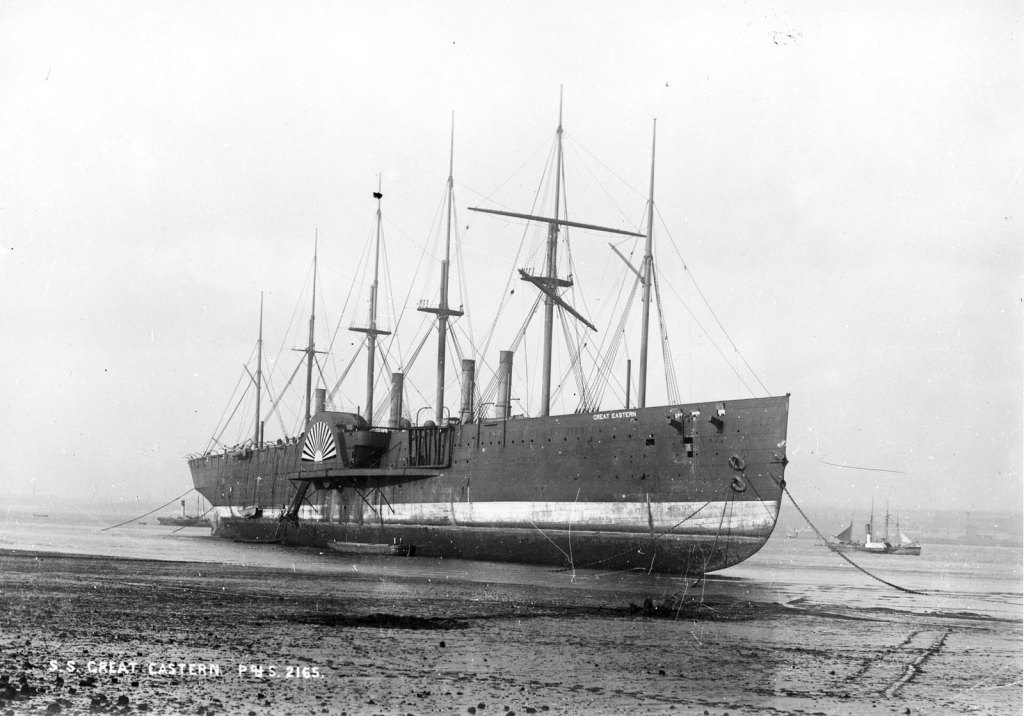
Breaking Up Brunel’s Great Eastern on the Mersey
How Brunel’s Great Eastern came to be beached on the Mersey in 1888, auctioned in lots and taken apart, and what her double iron…
-
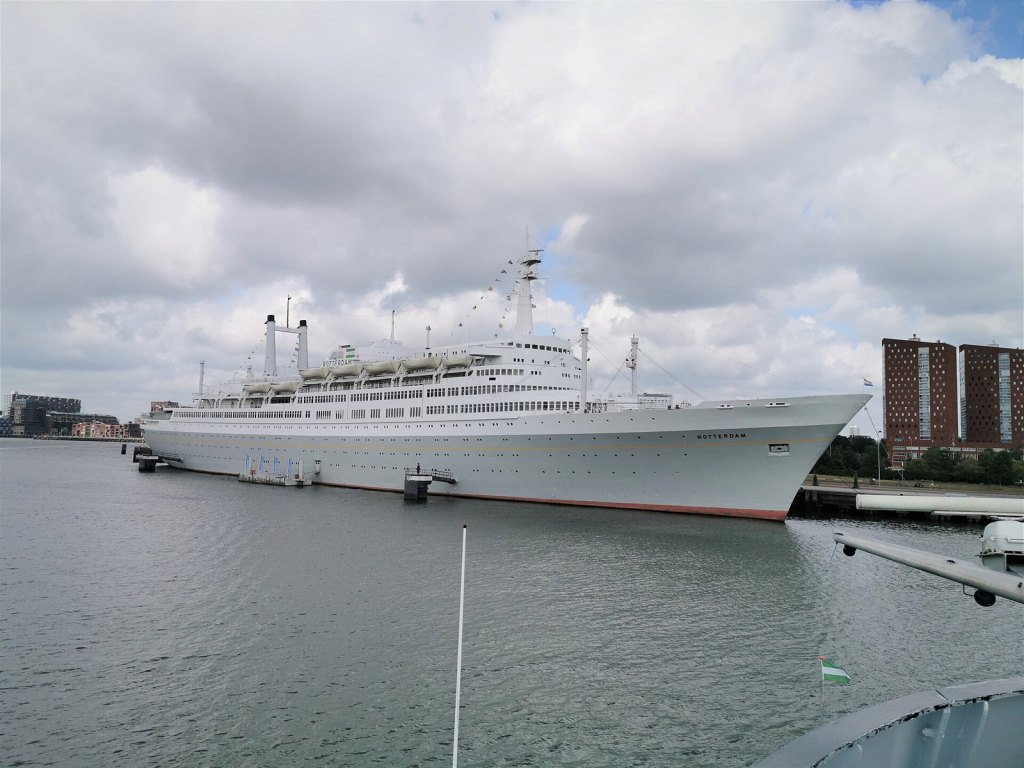
SS Rotterdam, the Liner Built for Two Classes and Cruising
How Rotterdam’s split stairway, public rooms and two-thirds aft machinery let a 1959 Atlantic liner become a cruise ship and then a hotel.
-
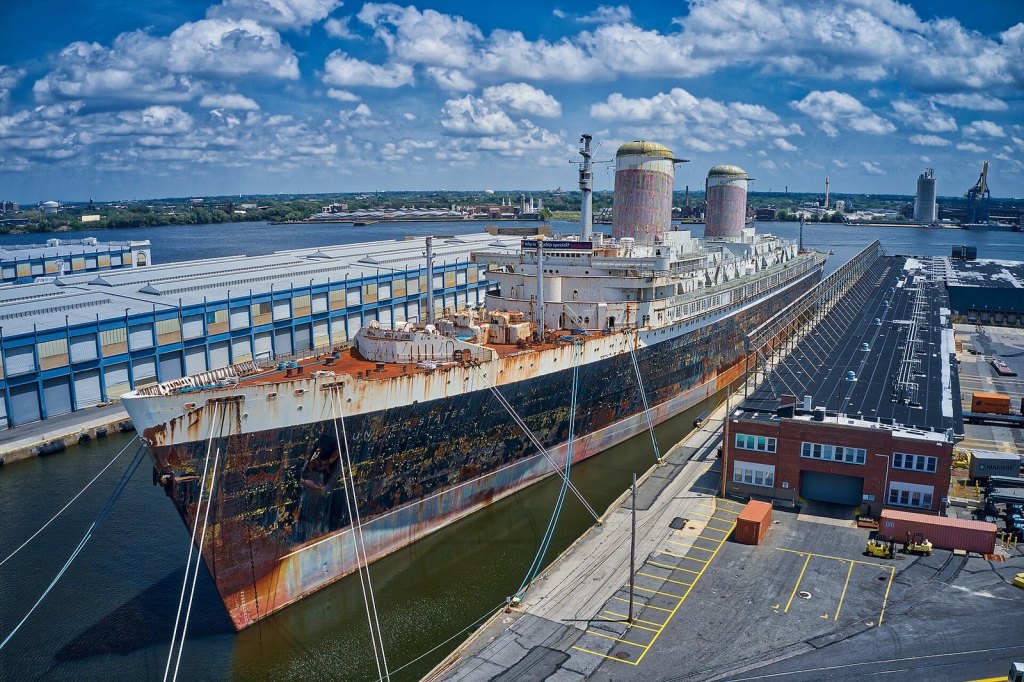
SS United States and the Design Behind Her 1952 Record
How light construction, divided machinery and a four-screw plant gave United States her 1952 Atlantic record, and where the ship is now.
-
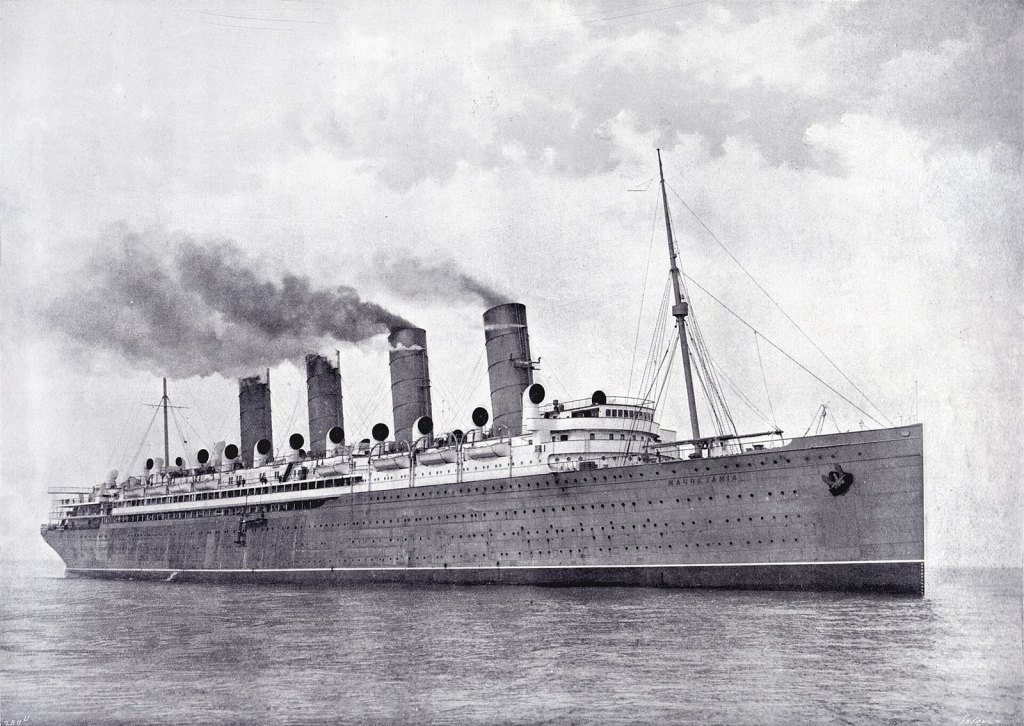
The Last Voyage and Scrapping of RMS Mauretania
How Cunard’s Mauretania was laid up, her fittings auctioned and her hull broken up at Rosyth from 1935, and which parts of the ship…
-
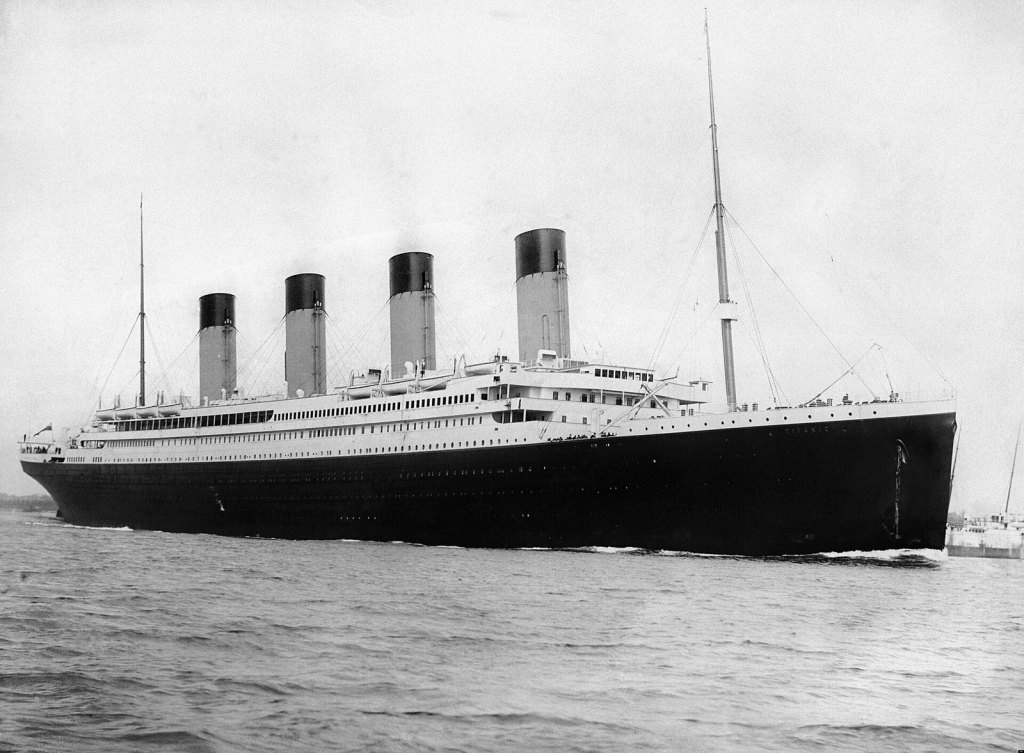
Inside Titanic’s Hull, Engines and Passenger Decks
How Titanic was built and powered: her subdivision, combined engines and turbine, boilers, electrics and passenger decks, from the 1912 sources.
-
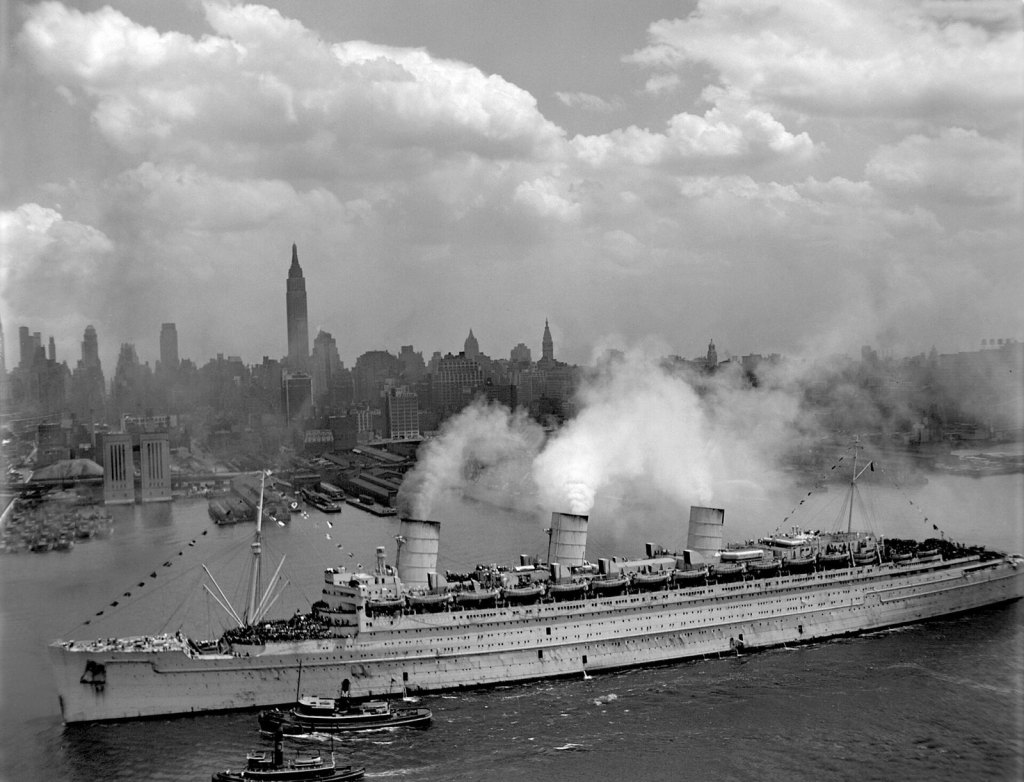
RMS Queen Mary’s War Years as a Troopship
How Queen Mary was converted in Sydney, carried troops on three oceans, cut down HMS Curacoa and brought war brides home, 1939 to 1946.
-
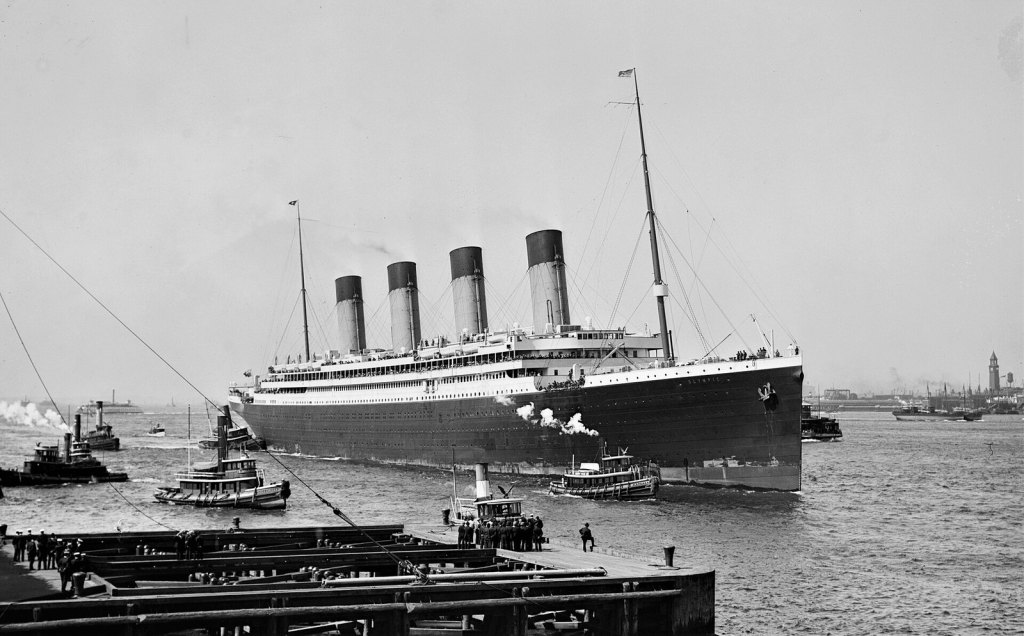
RMS Olympic’s Final Voyage to Jarrow in 1935
How RMS Olympic was sold, sailed to Jarrow in 1935, was auctioned over ten days and finished at Inverkeithing, and which of her fittings…
-
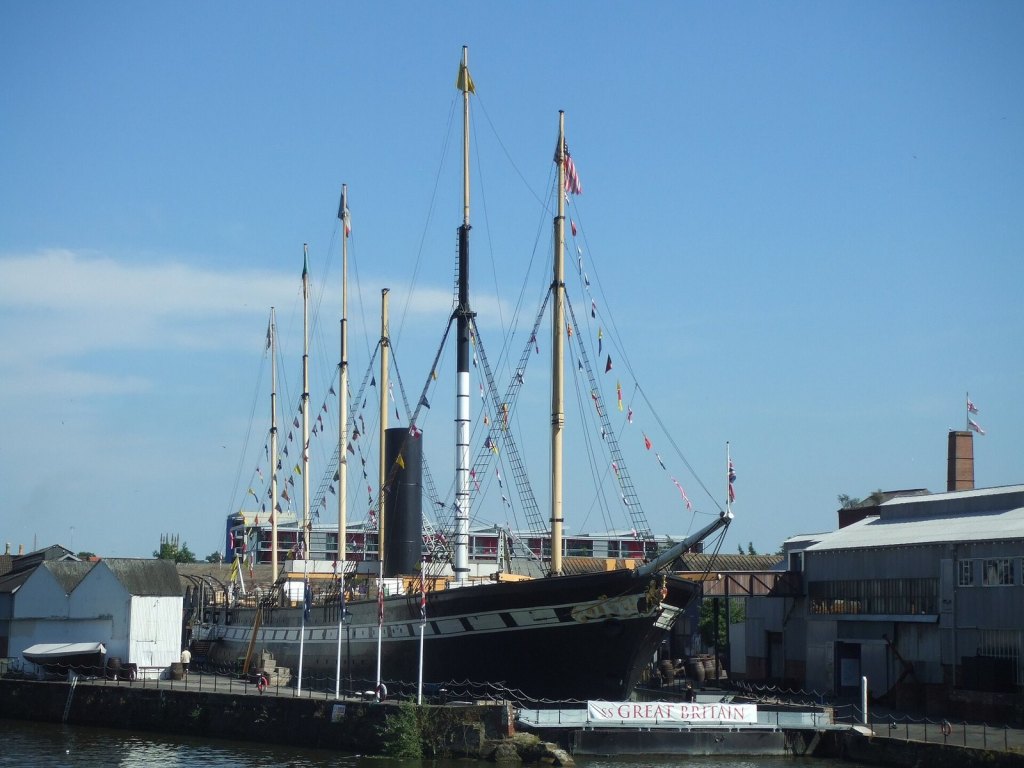
SS Great Britain, Brunel’s Iron Screw Steamer
How SS Great Britain joined an iron hull to screw propulsion in 1845, and how that hull survived Australia, the Falklands and a return…

